Compare Local Contractors for Drainage Sloping Services
Compare local contractors for drainage sloping to define your project scope, verify experience, and set clear expectations in writing for a successful outcome.
Drainage sloping services typically involve adjusting the grade or pitch of a property’s surface to ensure water flows away from foundations, walkways, and other structures effectively. This work can include grading lawns, installing or modifying drainage pathways, and creating slopes that prevent pooling and water intrusion. Proper drainage sloping is essential for protecting a property’s foundation, reducing erosion, and maintaining landscape integrity. When planning this type of work, property owners should consider the specific drainage issues they face and communicate their needs clearly to ensure the scope of work addresses all relevant areas.
Defining the scope of drainage sloping work is a key step in achieving satisfactory results. Clearly outlining what areas need to be regraded, the desired slope degrees, and any additional drainage features helps prevent misunderstandings and scope creep. Documenting these details in writing creates a reference point for property owners and contractors alike, making it easier to verify that the work performed aligns with the initial plan. Having a well-defined scope also supports effective project management and helps set realistic expectations for the final outcome.
Property owners comparing local contractors for drainage sloping should focus on their experience with similar projects and their understanding of local soil and terrain conditions. It’s beneficial to review the types of work each contractor has completed and ask for references or examples of past projects. When evaluating service providers, consider their communication style and how thoroughly they discuss the scope of work, as clear understanding and agreement are vital. Gathering multiple perspectives and confirming that each contractor’s approach aligns with the property’s specific drainage needs can help ensure a successful and effective outcome.
Compare local contractors by outlining your priorities, verifying experience, and setting clear expectations in writing.
- Compare Contractor Experience - Review the backgrounds of local contractors to ensure they have relevant experience with drainage sloping projects.
- Define Project Scope Clearly - Establish detailed work descriptions to set accurate expectations for the drainage sloping job.
- Verify Credentials and References - Check references and previous work to assess the reliability and quality of local service providers.
- Document Agreements in Writing - Ensure all project details, responsibilities, and expectations are outlined in a formal agreement.
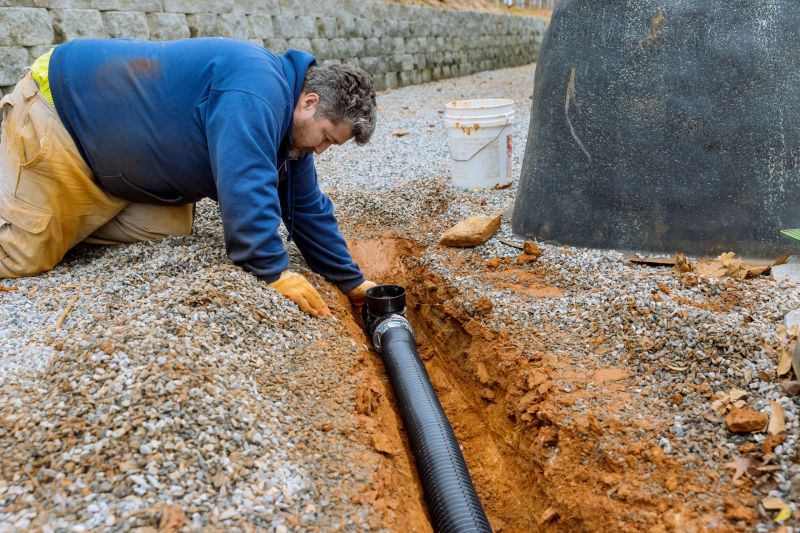
When comparing contractors for drainage sloping, clearly describe your project scope and verify their experience.
- Verify that contractors understand proper drainage slope requirements to ensure effective water runoff. - Ensure service providers can clearly define the scope of drainage sloping work in writing.
- Check that contractors have experience with similar drainage projects to assess their expertise. - Confirm that local contractors follow industry standards for establishing appropriate slopes.
- Discuss and document the desired slope grade to prevent misunderstandings during the project. - Look for providers who can explain how they plan to achieve the correct drainage slope.
- Compare how different service providers plan to evaluate existing terrain and identify potential drainage issues. - Ensure that the scope includes site assessment and proper slope planning.
- Ask contractors about their approach to ensuring proper slope continuity and avoiding low spots or blockages. - Verify that the work plan emphasizes proper grading techniques for effective drainage.
- Make sure all expectations, including slope specifications and project details, are documented before work begins. - Use written agreements to clarify scope and prevent miscommunication.
Compare local contractors' experience and clarify project scope to ensure successful drainage sloping work.
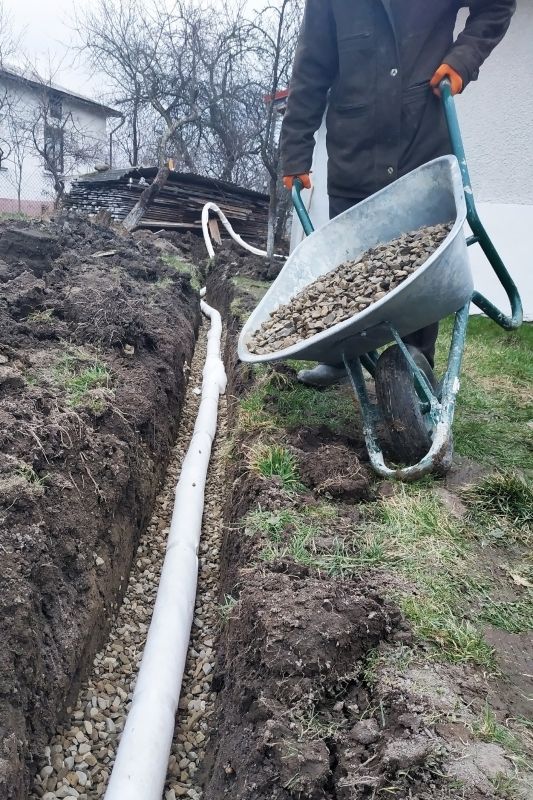
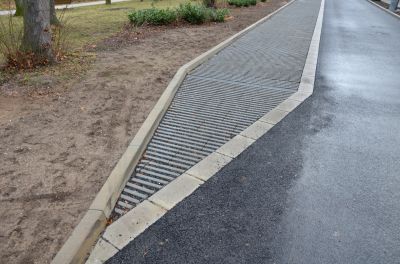
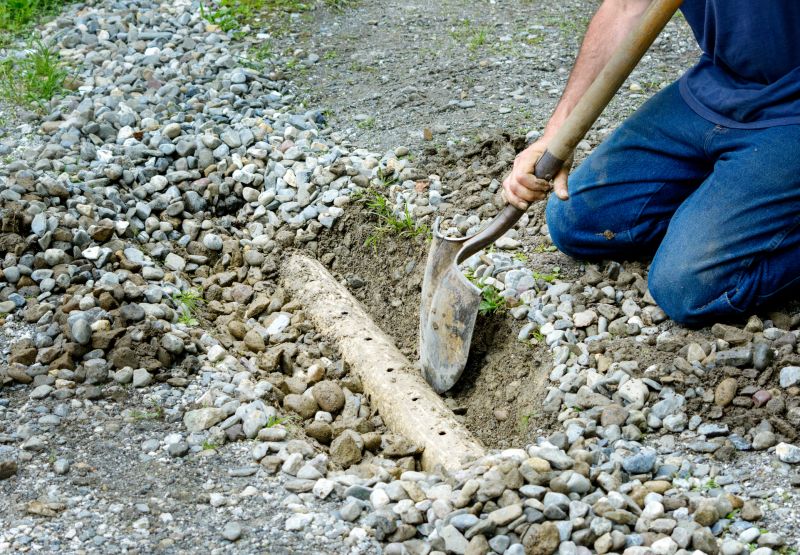
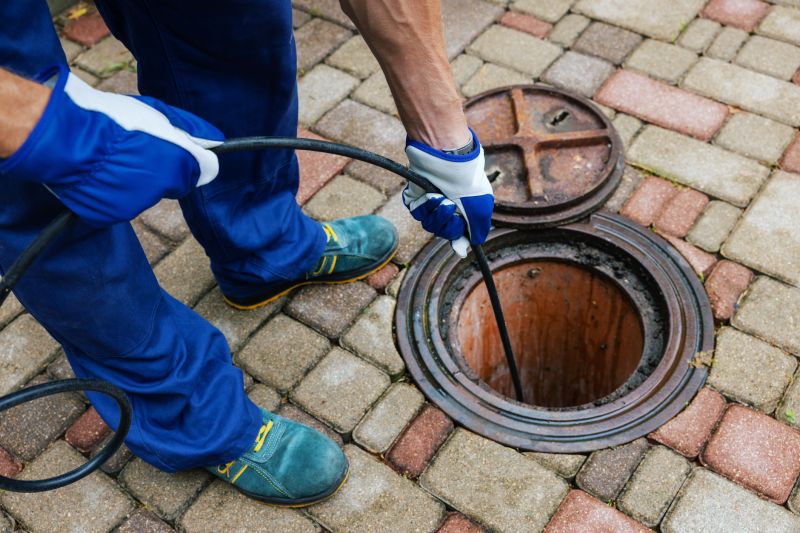
Learn how to compare local contractors for drainage sloping projects by defining scope, verifying experience, and setting clear expectations.
- Define slope specifications - determine the required slope percentage to ensure proper drainage flow away from structures.
- Assess soil and terrain conditions - evaluate the existing ground and soil type to plan effective drainage sloping.
- Identify drainage system components - specify the types of slopes and grading methods needed for optimal water runoff.
- Verify contractor experience with grading - confirm that local contractors have relevant experience in drainage sloping projects.
- Document scope and expectations in writing - clearly outline the slope design, materials, and responsibilities to ensure mutual understanding.
When comparing contractors for drainage sloping projects, it is important to consider their experience with similar types of work. Homeowners should inquire about the number of projects completed that involve grading and drainage adjustments in properties comparable to their own. Contractors with a proven track record in handling drainage sloping for residential sites can offer insights into potential challenges and effective solutions, helping to ensure the project proceeds smoothly and meets the specific needs of the property.
A clear, written scope of work is essential for setting accurate expectations and avoiding misunderstandings. Homeowners should request detailed descriptions of what the project entails, including the methods used, the areas involved, and the desired outcomes. A well-defined scope helps to establish a common understanding between the homeowner and the service provider, making it easier to evaluate whether the contractor’s approach aligns with the property’s drainage requirements.
Verification basics involve confirming that contractors have the necessary experience and understanding of proper drainage principles. Homeowners should ask about the contractor’s approach to assessing site conditions, such as soil type, slope, and existing drainage issues. It’s also helpful to verify that the contractor plans to use appropriate techniques and materials suited to the project. While formal licensing or certification may not be a focus, understanding the contractor’s familiarity with local regulations and standards can be valuable for ensuring that the work will be effective and compliant.
When evaluating options, homeowners should focus on how well each contractor’s approach aligns with the project scope and site conditions. Comparing the clarity of written proposals, the level of detail in their explanations, and their understanding of drainage principles can provide insight into their expertise. It’s also beneficial to consider the contractor’s communication style and willingness to answer questions thoroughly. This process helps identify service providers who are capable of delivering quality work aligned with the property’s drainage needs, without relying on price as the sole criterion.
Request written scope details from local contractors to ensure clear expectations and consistent project understanding.
- Experience and Expertise - What specific experience do contractors have with drainage sloping projects similar to this scope?
- Scope Clarification - How do contractors define and outline the scope of work to ensure all drainage sloping needs are addressed?
- Comparison of Services - What services and methods do different service providers recommend for effective drainage sloping?
- Work Approach and Materials - How do contractors plan to approach the job, and what materials or techniques will they use?
- Written Scope and Expectations - Can the scope of work and project expectations be documented clearly in writing before starting?
What should I consider when choosing a contractor for drainage sloping? It's important to compare local contractors based on their experience, scope of work, and reputation. Ensure they clearly define the project scope and provide written details to set proper expectations.
How can I verify a contractor’s experience with drainage sloping? Ask for references or examples of previous work relevant to drainage sloping projects. Reviewing their portfolio or seeking feedback from past clients can help assess their expertise.
What questions should I ask a contractor before hiring for drainage sloping? Inquire about their approach to drainage sloping, how they plan to define the scope of work, and request a detailed, written plan outlining the tasks involved and expected outcomes.
Why is it important to have a written scope of work for drainage sloping? A written scope helps clarify project expectations, responsibilities, and deliverables, reducing misunderstandings and ensuring everyone is aligned on the work to be performed.
How do I compare different contractors for drainage sloping services? Review their experience, compare the scope of work they propose, and verify references or past project quality. Clear communication and detailed written proposals are key factors.
What role does communication play in selecting a drainage sloping contractor? Effective communication ensures that project details, scope, and expectations are clearly understood and documented, helping to facilitate a smooth working relationship.
By exploring this page, visitors have learned how to effectively compare drainage sloping contractors by understanding how to define the scope of work, verify experience, and set clear expectations in writing. This approach helps ensure that the chosen service providers are well-suited to handle the specific needs of the project, providing clarity and confidence in the selection process. Utilizing the quote form allows for a straightforward way to connect with local contractors, making it easier to evaluate options side-by-side.
Using the provided quote form, visitors can easily reach out to multiple local service providers to gather information and compare their offerings. This process supports making informed decisions by providing a simple method to initiate contact and gather details. Taking this step helps ensure that the selected drainage sloping contractor aligns with the project’s requirements and expectations.